
Leading Foundation Repair Supplies For Professional Results
Access top-quality repair supplies trusted by professionals to ensure precision and durability in foundation restoration projects.
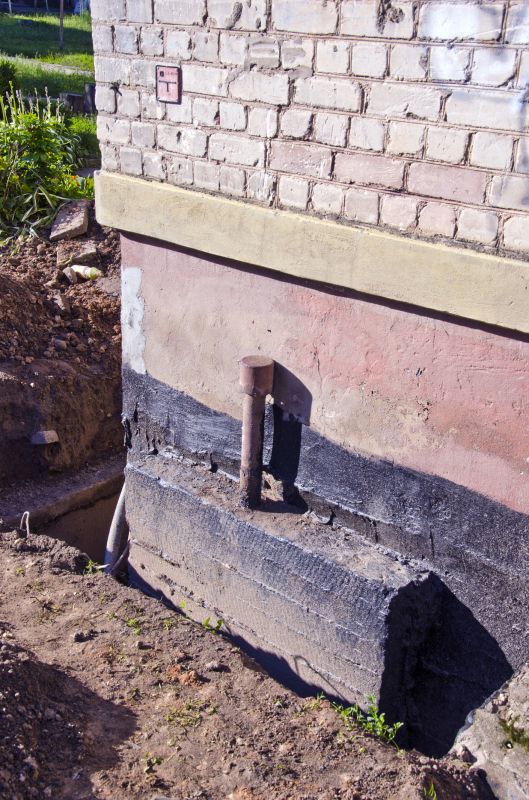 Foundation repairs are a critical aspect of maintaining the structural integrity of a building. When issues such as cracking, settling, or shifting are observed, it is important to consider a variety of repair products designed to stabilize and reinforce the foundation. These products range from simple solutions like sealants and fillers to more advanced systems such as underpinning and hydraulic jacking. Selecting the appropriate product depends on the specific condition of the foundation, the severity of the problem, and the long-term stability goals of the property owner.
Top Overall Option
Polyurethane Foam Injection System
Polyurethane foam injection systems are widely used for addressing foundation cracks and void filling. These products expand upon application to lift and stabilize settled or cracked sections of the foundation. They are appreciated for their quick curing time, minimal disturbance to existing structures, and ability to fill irregular spaces effectively. Suitable for small to moderate cracks, they offer a flexible and durable solution that can be applied with relative ease by professionals or experienced DIYers.
Types of Products For Foundation Repairs
Hydraulic Push Piers
Hydraulic push piers are installed beneath the foundation to lift and stabilize sinking structures, providing support in cases of significant settlement.
Helical Piers
Helical piers are screwed into the soil beneath the foundation, offering a versatile solution for different soil conditions and load requirements.
Carbon Fiber Reinforcement
Carbon fiber strips or straps are used to reinforce cracked or bowing basement walls, helping to prevent further movement.
Concrete Patching Sealants
Sealants and fillers designed to repair cracks and surface damage on concrete foundations, providing a barrier against water intrusion.
Underpinning Systems
Underpinning involves installing additional support beneath the existing foundation to increase stability and load-bearing capacity.
Soil Stabilization Grouts
Grouts are injected into the soil to improve its load-bearing properties and reduce shifting or settling of the foundation.
Foundation Jacking Equipment
Hydraulic jacks are used to lift and level uneven or sagging foundations during repair procedures.
Foundation Crack Repair Kits
Complete kits that include sealants, fillers, and applicators for sealing small cracks and preventing water entry.
Waterproofing Membranes
Membranes applied to foundation walls to prevent water infiltration and protect against moisture-related damage.
Drainage Systems
French drains and interior drainage solutions help divert water away from the foundation, reducing hydrostatic pressure.
Vapor Barriers
Vapor barriers are installed to control moisture levels within basements and crawlspaces, protecting foundation integrity.
Foundation Anchors
Anchors are used to stabilize bowing or leaning basement walls by attaching them to the stable soil outside.
Popular Choices
A versatile solution for sealing cracks and filling voids, often chosen for its quick application and minimal disruption.
Commonly used for reinforcing cracked basement walls, providing additional strength and preventing further movement.
Frequently selected for stabilizing settled foundations, especially in cases of significant sinking.
Chosen for their adaptability to various soil types and their ability to provide deep support.
Popular for small repairs, these kits help seal surface cracks and prevent water intrusion.
Widely used to protect basement walls from moisture, especially in areas prone to water issues.
Effective for redirecting water away from the foundation, reducing hydrostatic pressure.
Often employed for deep stabilization, especially in cases of extensive settlement.
Commonly installed in basements to control humidity and protect the foundation from moisture damage.
Popular for improving soil load-bearing capacity and reducing shifting issues.
Used to stabilize leaning or bowing basement walls, providing additional support.
Frequently used for surface crack repairs to prevent water entry and surface deterioration.
In Westlake, OH, where soil conditions and weather patterns can influence foundation health, choosing the right repair products is essential. Many homeowners and contractors opt for versatile solutions that can address different types of foundation issues, including cracks in concrete, bowing walls, or uneven settling. Proper application and compatibility with existing structures are key factors in ensuring the effectiveness of these products. Consulting with a foundation specialist can help determine the most suitable options for each unique situation.
Modern foundation repair products are designed to be durable, easy to install, and minimally invasive. Some products serve as permanent fixes, while others are intended for temporary stabilization until more extensive repairs can be made. It is important to evaluate the product's compatibility with the foundation material, its ability to withstand environmental conditions, and its ease of use. Regular maintenance and inspections can prolong the lifespan of the repair and prevent more costly issues in the future.
Overall, understanding the variety of foundation repair products available and their proper application can help property owners in Westlake, OH, make informed decisions. Whether dealing with minor cracks or significant structural shifts, selecting the right products is a vital step toward ensuring the safety and stability of a building for years to come.
Key Buying Considerations
- Assess the severity and type of foundation issue before selecting a product.
- Consider the compatibility of the repair product with existing foundation materials.
- Evaluate the environmental conditions, such as moisture levels and soil type, that may affect the repair.
- Determine whether a temporary or permanent solution is needed based on the problem's extent.
- Check the ease of application and whether professional installation is recommended.
- Review the product’s durability and resistance to environmental factors like water and soil pressure.
- Ensure the product is suitable for the specific area of the foundation, such as walls or footings.
- Consider the potential for future repairs and whether the product allows for easy maintenance.
- Look into the repair product’s curing or setting time to plan the repair process accordingly.
- Verify if the product is compliant with local building codes and standards.
- Assess the cost-effectiveness of the product in relation to the repair scope.
- Examine customer reviews and expert opinions for insights into product performance.
- Determine if the product can be used in conjunction with other repair systems for comprehensive solutions.
- Consider the availability of technical support or professional guidance from the manufacturer.